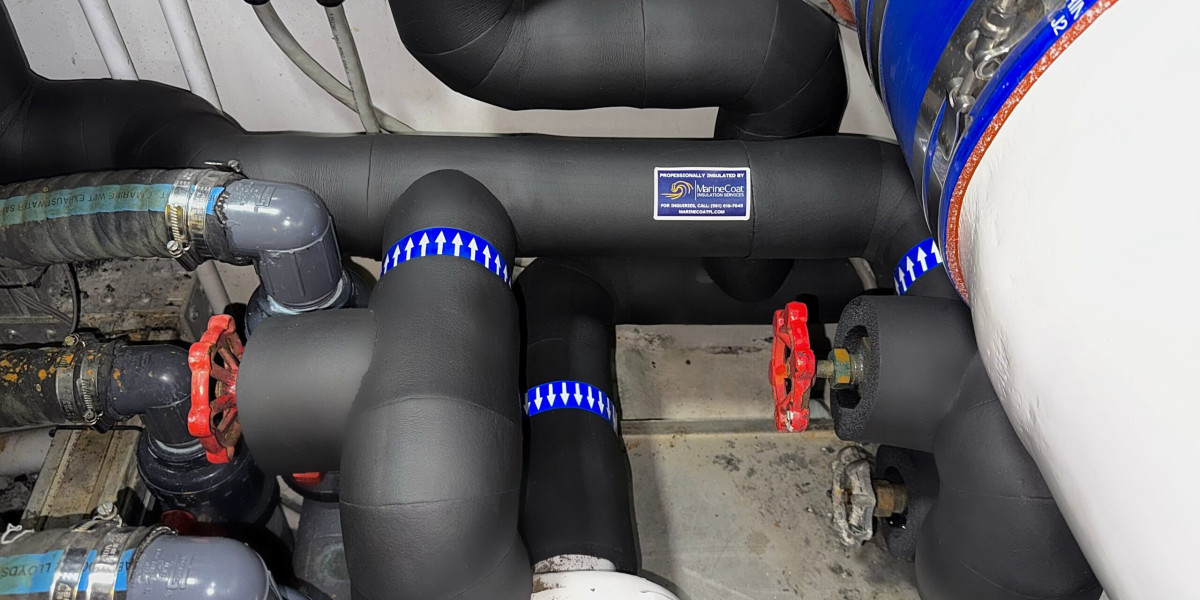

Naval architecture demands an intricate balance between structural integrity, hydrodynamic efficiency, and interior acoustic tranquility. Achieving optimal quietude aboard modern vessels necessitates sophisticated engineering, where advanced Marine soundproofing techniques eliminate unwanted mechanical resonance. Concurrently, incorporating targeted Marine Noise Insulation ensures high-decibel propulsion systems do not disrupt cabin comfort or operational safety.
Uncontrolled acoustic energy aboard seagoing vessels creates severe environmental stress, accelerating structural wear and inflicting physical fatigue upon crew members and passengers alike. By implementing high-density acoustic barriers, viscous damping compounds, and decoupled structural mounts, maritime engineers effectively contain airborne chatter and structure-borne vibration. This guide delineates the strategic methodology required to transform loud, turbulent shipboard spaces into serene, acoustically optimized sanctuaries.
Diagnostic Mapping of Shipboard Acoustic Transmission
Addressing nautical acoustic disturbance requires isolating the primary mechanisms through which sound propagates across hulls, decks, and bulkheads. Marine environments present unique acoustic dynamics, where metallic and composite structures act as continuous conductors for vibrational energy.
Structure-Borne Vibrational Resonance
Internal combustion engines, generators, gearboxes, and shaft assemblies generate powerful low-frequency vibrations. When securely bolted to the vessel’s frame, these mechanical drivers transfer mechanical oscillations directly into the hull plating. The structural framework subsequently acts as a giant acoustic transducer, radiating continuous low-frequency hums throughout distant living quarters and command bridges.
Airborne High-Frequency Pressure Waves
Airborne acoustic pressure waves originate from turbochargers, exhaust manifolds, ventilation ducting, and turbulent fluid flows. These high-frequency sound waves reflect off hard, unyielding internal bulkheads, escalating ambient sound pressure levels within enclosed spaces like engine rooms, pump bays, and utility compartments.
Material Selection for Marine Noise Insulation Applications
Eliminating shipboard noise demands specialized acoustic materials explicitly engineered to withstand moisture, chemical exposures, diesel vapors, and fire safety regulations without degrading performance over extended voyages.
Mass-Loaded Barrier Fabrics and Composites
High-density limp mass materials, such as flexible vinyl infused with heavy mineral loads, serve as fundamental barriers against airborne noise transmission. Placing dense barriers within engine room enclosures restricts raw decibel leakage into adjacent passenger quarters, providing robust thermal and acoustic attenuation.
Viscoelastic Structural Damping Layers
To curb dynamic hull reverberation, engineers apply viscoelastic polymers directly onto bare steel, aluminum, or fiberglass bulkheads. These specialized damping compounds transform kinetic mechanical energy into negligible heat, effectively stifling dynamic resonance across hull panels.
Engine Compartment Acoustic Enclosures
Constructing multi-layered acoustic enclosures around propulsion systems prevents reverberant noise buildup. Combining closed-cell dampening foam with dense mass barriers creates a dual-action defense mechanism that absorbs reverberation while blocking acoustic breakthrough.
Bulkhead and Deckhead Decoupling Assemblies
Isolating living spaces involves installing resilient isolation clips, floating floor mounts, and elastomeric structural channels. Decoupling interior joinery from structural bulkheads stops mechanical vibrations from transferring into staterooms and salon spaces.
Strategic Implementation of Marine Soundproofing Solutions
Maximizing acoustic dampening performance requires systematic, flawless installation methodologies tailored to high-moisture marine environments.
Engine Room Containment Protocols
The primary propulsion compartment represents the largest generator of shipboard decibels. Mitigating engine noise demands comprehensive perimeter lining, using composite insulation panels featuring protective, oil-resistant facing layers. Every seam and joint must be sealed using heavy acoustic tape to eliminate airborne sound leaks.
HVAC and Exhaust Ducting Silencing
Air circulation systems often serve as direct conduits for unwanted acoustic distribution. Integrating inline silencers, flexible duct connectors, and internal acoustic absorption linings prevents fan whine and airflow turbulence from echoing into passenger cabins.
Advanced Techniques in Marine Acoustic Optimization
Modern naval architecture relies on hybrid passive and active control measures to master shipboard acoustic dynamics.
Acoustic Flanking Route Elimination
Sound energy continually seeks paths of least resistance, bypassing thick barrier materials through small gaps, wire penetrations, pipe passages, and structural joints. Utilizing flexible acoustic sealants and elastomeric pipe collars guarantees full containment across all bulkhead penetrations.
Integrating Marine Noise Insulation into Luxury Interiors
Superyacht construction combines luxurious aesthetic finishes with concealed acoustic dampening layers. Placing high-absorption fiber panels behind acoustic fabric upholstery creates serene interior environments without compromising sophisticated interior designs.
Achieving Long-Term Maritime Tranquility
Executing an uncompromising acoustic treatment plan fundamentally elevates the seaworthiness, safety, and luxurious comfort of modern vessels. By deploying high-performance materials, sealing acoustic flanks, and decoupling structural interfaces, vessel owners secure comprehensive noise suppression across demanding operational conditions. Implementing professional Marine soundproofing guarantees an ultra-quiet, calm voyage regardless of external sea conditions or engine load.