
Introduction
Have you ever seen an embroidered logo that looked perfect on a computer screen but turned out messy on fabric? Uneven stitches, distorted letters, and puckered material can quickly ruin an otherwise great design. That's where Expert Embroidery Digitizing Solutions make a real difference. Professional digitizing turns ordinary artwork into machine-ready embroidery files while considering stitch direction, fabric type, and design details. Whether you're decorating company uniforms, creating custom caps, or launching a clothing brand, proper digitizing plays an important role in achieving clean, attractive, and long-lasting embroidery.
What Is Embroidery Digitizing?
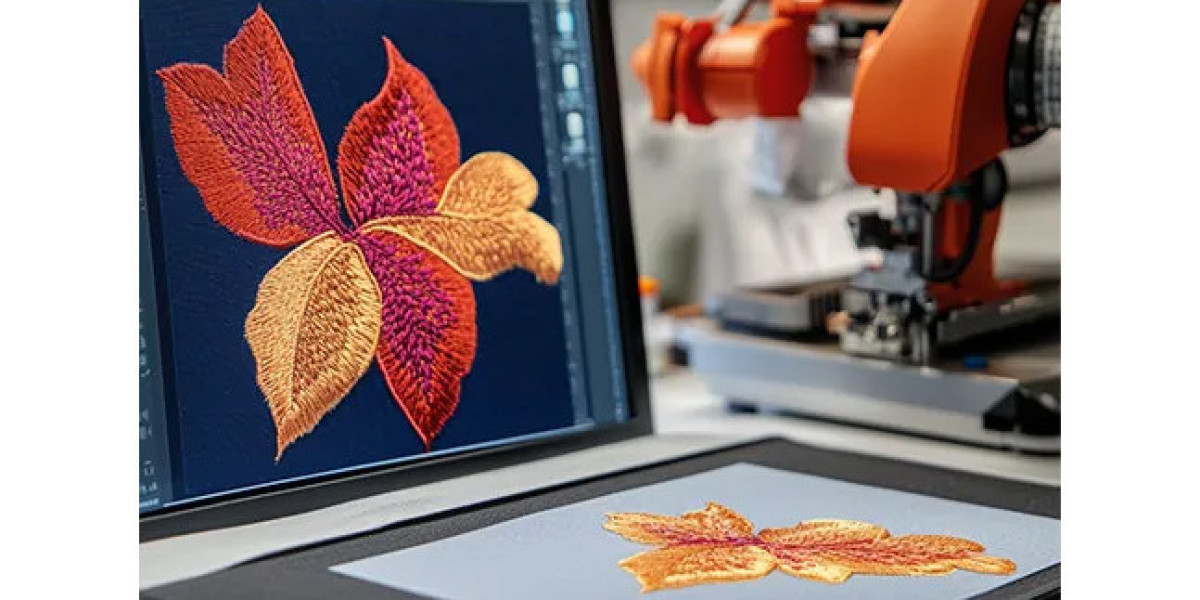
Embroidery digitizing is the process of converting artwork, logos, or images into digital stitch instructions that embroidery machines can understand.
Unlike regular image conversion, embroidery digitizing requires careful planning. A digitizer must decide where stitches begin, which direction they follow, how densely they fill an area, and how different design elements connect.
The finished embroidery file tells the machine how to stitch the design onto fabric.
Common embroidery machine formats include DST, PES, JEF, EXP, and VP3.
Each format works with particular embroidery machines or software systems.
A well-digitized design can reduce unnecessary thread breaks, improve stitch placement, and create a more professional finished product.
Why Professional Embroidery Digitizing Matters
Many beginners assume that uploading an image into embroidery software automatically produces a perfect stitch file.
Unfortunately, embroidery doesn't work that way.
Fabric stretches, thread pulls, and needles move through different materials. These factors can change how a design looks after stitching.
Professional digitizers understand these challenges and adjust their designs accordingly.
Better Stitch Quality
Proper digitizing creates smoother outlines, balanced fills, and cleaner lettering.
It also reduces problems such as excessive thread buildup, gaps between colors, and uneven stitching.
Improved Design Accuracy
Small details can disappear when artwork is converted into embroidery.
An experienced digitizer knows when to simplify tiny elements, adjust lettering, or change stitch directions to preserve the original appearance.
More Efficient Embroidery Production
A carefully planned stitch sequence can reduce unnecessary trims, jumps, and machine stops.
This becomes especially important for businesses producing embroidered products in larger quantities.
Expert Logo Embroidery Digitizing
Logos are among the most common designs used in commercial embroidery.
Businesses place embroidered logos on employee uniforms, promotional clothing, workwear, and branded merchandise.
However, not every logo is ready for embroidery in its original form.
Converting Logos into Embroidery Files
Professional logo digitizing begins with reviewing the artwork.
The digitizer examines the design's colors, shapes, text, and overall size.
Next, they select suitable stitch types and create a sewing sequence that matches the intended fabric.
For example, satin stitches often work well for lettering and narrow shapes, while fill stitches are commonly used for larger areas.
Handling Small Lettering
Small text can be challenging because embroidery thread has physical thickness.
Letters that look clear on a computer screen may become difficult to read when stitched too small.
Professional digitizers may adjust spacing, simplify details, or recommend a larger design size.
These changes improve readability without unnecessarily changing the logo's appearance.
Embroidery Digitizing for Caps
Caps require special attention because their curved surfaces and construction create unique embroidery challenges.
A design that stitches perfectly on a flat shirt may not produce the same results on a structured baseball cap.
Understanding Cap Construction
Structured caps contain firm front panels that maintain their shape.
Unstructured caps are softer and may move differently during embroidery.
The cap's seams, crown height, and available embroidery area also affect design placement.
Digitizers must consider these factors before preparing the stitch file.
Using the Right Stitch Sequence
Many cap designs benefit from stitching from the center outward to reduce fabric movement and distortion.
However, the ideal sequence depends on the artwork and cap construction.
Proper stitch direction and balanced density can improve alignment and reduce registration problems.
Avoiding Common Cap Embroidery Problems
Common problems include uneven outlines, gaps between colors, distorted lettering, and thread buildup.
These issues may result from poor digitizing, incorrect hooping, unsuitable stabilizer, or machine settings.
A properly prepared cap embroidery file, combined with the right machine setup, can significantly improve the finished design.
Custom Embroidery Digitizing for Apparel
Different garments require different embroidery techniques.
A design prepared for a thick jacket may need adjustments before it can be stitched successfully on a lightweight T-shirt.
Embroidery on T-Shirts and Polo Shirts
T-shirts and polo shirts often contain stretchy knit fabrics.
Excessive stitch density can cause puckering, distortion, or uncomfortable embroidery.
Digitizers generally use suitable underlay, balanced density, and appropriate pull compensation to improve results.
Using the correct stabilizer also plays an important role.
Embroidery on Jackets and Hoodies
Jackets and hoodies usually provide more space for detailed embroidery designs.
However, fabric thickness, stretch, and texture can affect stitch quality.
A professional digitizer considers these characteristics when preparing larger logos, decorative artwork, and personalized designs.
Embroidery on Uniforms and Workwear
Company uniforms often require consistent logo placement and appearance across multiple garments.
Professional digitizing supports repeatable embroidery results while maintaining important branding details.
This makes it valuable for businesses, schools, sports teams, and organizations.
Important Techniques Used in Professional Digitizing
Creating a reliable embroidery file involves several technical decisions.
Stitch Density
Stitch density determines how closely embroidery stitches are placed.
Too many stitches can create excessive thread buildup and fabric distortion.
Too few stitches may leave visible gaps.
The correct density depends on the thread, fabric, design size, and stitch type.
Underlay Stitches
Underlay stitches form a foundation beneath the visible embroidery.
They can stabilize the fabric, support top stitches, and improve overall coverage.
Different designs require different underlay settings.
Pull Compensation
Embroidery stitches naturally pull fabric as they form.
Pull compensation adjusts design shapes to account for this movement.
Without suitable compensation, outlines may shift, circles may appear distorted, and lettering may become uneven.
Stitch Direction
Stitch direction affects texture, appearance, and fabric movement.
Carefully planned stitch angles can make embroidery look smoother and more visually appealing.
How to Choose the Right Embroidery Digitizing Service
Finding a reliable embroidery digitizing company can save time, reduce wasted materials, and improve production quality.
Before choosing a service, consider a few important factors.
Review Previous Work
Look for real embroidery stitch-out samples rather than relying only on digital previews.
Actual stitched examples provide a better understanding of the digitizer's work.
Check Supported File Formats
Make sure the service can provide files compatible with your embroidery machine.
Popular formats include DST, PES, JEF, EXP, and VP3.
Ask About Revisions
Even carefully prepared designs sometimes require adjustments after testing.
Choose a company with a clear revision policy and responsive communication.
Compare Pricing and Turnaround Times
Affordable pricing matters, but the cheapest option isn't always the best choice.
Consider design quality, experience, delivery time, and customer support before making a decision.
Common Embroidery Digitizing Mistakes to Avoid
Several common mistakes can affect embroidery quality.
Using excessive stitch density may cause fabric puckering and thread breaks.
Ignoring fabric type can lead to poor stitch coverage or distorted designs.
Choosing unsuitable stitch types may make small lettering difficult to read.
Incorrect sewing sequences can create unnecessary trims and registration problems.
Finally, skipping a test stitch-out may allow avoidable problems to reach the final garment.
Testing the design on similar fabric allows you to identify issues before starting full production.
Frequently Asked Questions
What is the best file format for embroidery digitizing?
The best format depends on your embroidery machine. DST, PES, JEF, and EXP are common options, but you should always confirm your machine's requirements.
Can any logo be converted into embroidery?
Most logos can be adapted for embroidery, although extremely small details, gradients, and fine lettering may need simplification.
Why do embroidery designs look different on caps and shirts?
Caps and shirts have different shapes, fabric properties, and stabilization requirements. These differences can affect stitch placement, density, and design appearance.
Is professional embroidery digitizing worth it?
Professional digitizing is often worthwhile for businesses and individuals who want reliable stitch files, consistent branding, and fewer production problems.
Conclusion
Professional embroidery starts long before the machine begins stitching. Accurate digitizing creates the foundation for clean logos, attractive cap designs, and quality embroidered apparel.
From selecting stitch types to adjusting density, underlay, and pull compensation, every detail influences the final result.
Whether you're running an embroidery business, customizing uniforms, or creating personalized clothing, investing in proper digitizing can improve design accuracy and reduce production problems.
By choosing experienced digitizers, preparing suitable artwork, and testing designs before production, you can achieve more consistent embroidery results across different garments and materials.